Soviet Lens Odyssey

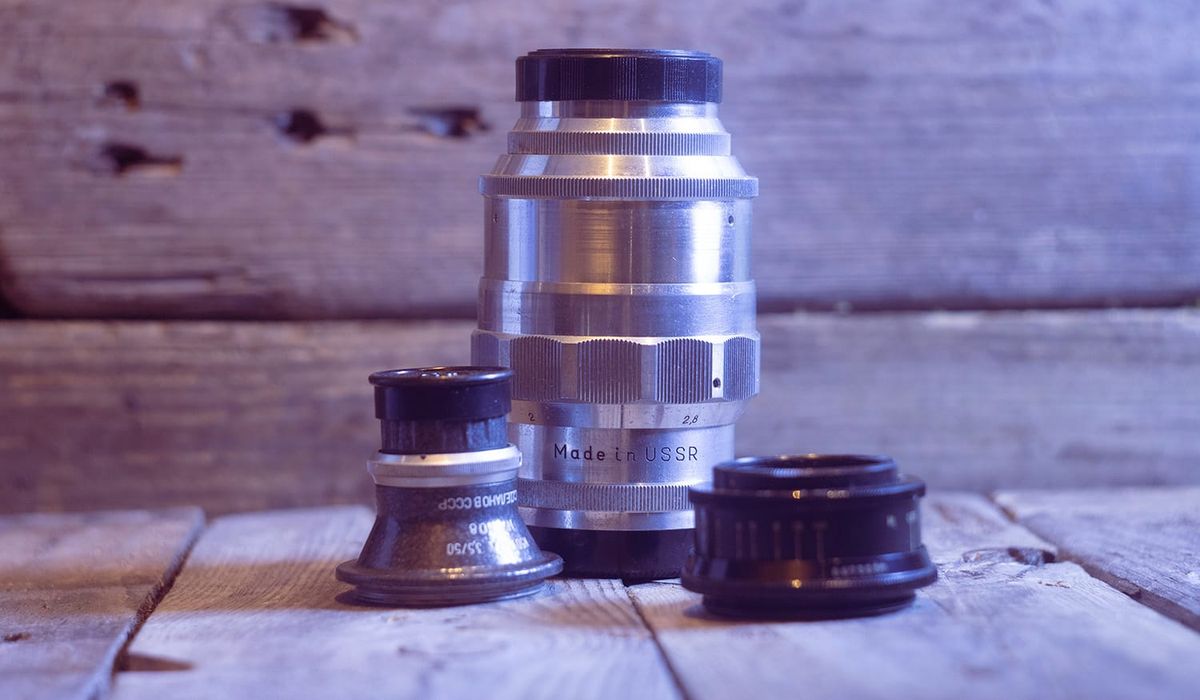
Towards the middle of the creation of the Maskwitches GM’s Companion, I discovered the joy of vintage camera lenses.
I’d taken a rare afternoon off, and headed to the nearby town of Stirling to spend some long overdue quality time. In Stirling I stumbled into a makers’ space full of art and craft work. Really good stuff, from some truly excellent makers. There was also a little booth selling vintage camera lenses.
Initially I was absolutely taken by how they looked. There’s always been something about camera equipment I find captivating. It’s reminiscent of something from childhood I think, and perhaps my first encounter with portable technology. The aesthetic of it has a very strong feel to me. It’s very hard to explain in words: there is something verging on synaesthesic about the look and smell and feel of old camera equipment.
I quickly did some internet searching on whether I could get an adapter to fit these lenses to my cameras. I’m shooting on a couple of entry level Canon cameras, and I was sure I’d seen adapters before. And indeed you can get adapters for most kinds of vintage lens, depending on how complex you want to get. So I took the plunge and bought what has since become my favourite lens - an Industar 50mm.
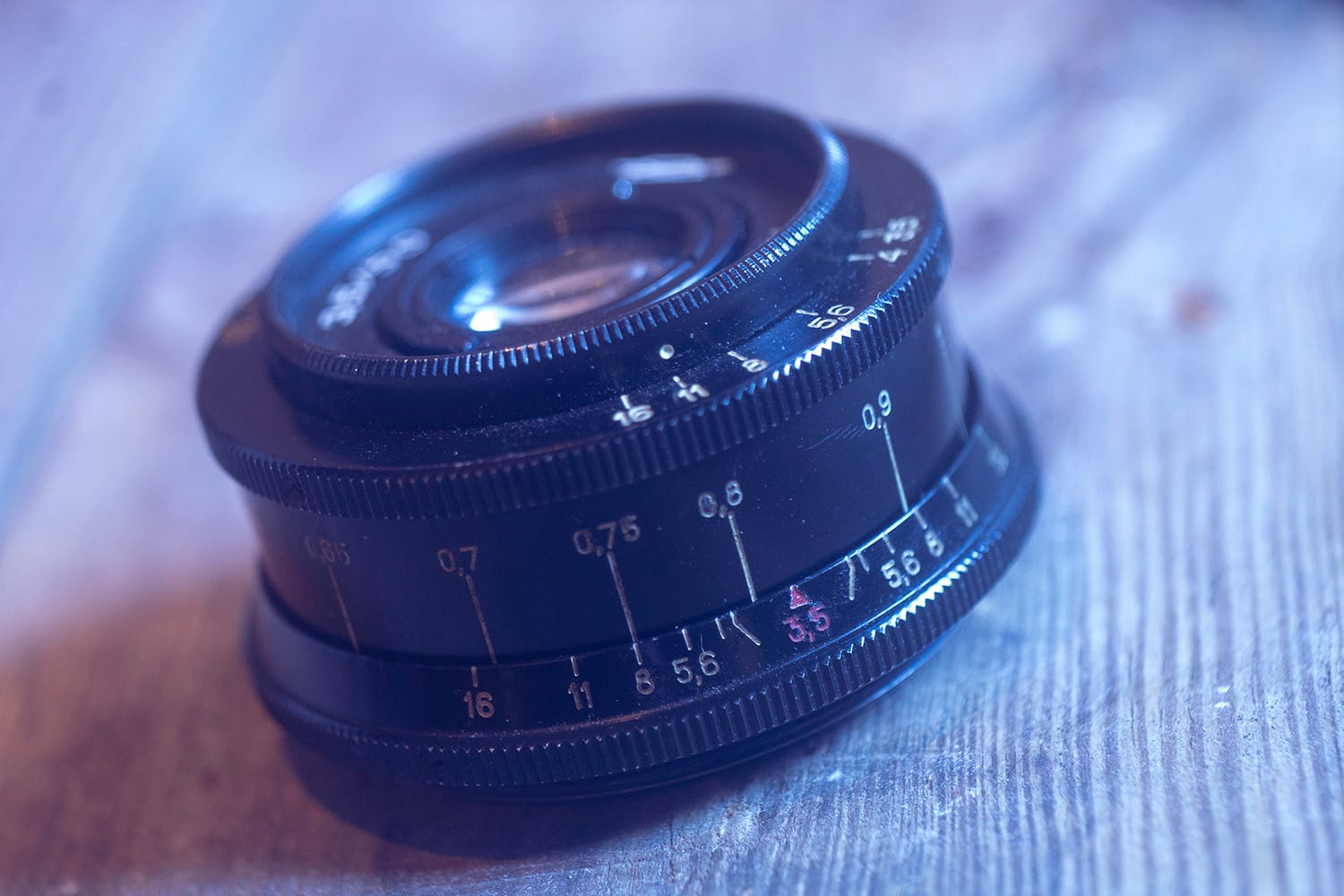
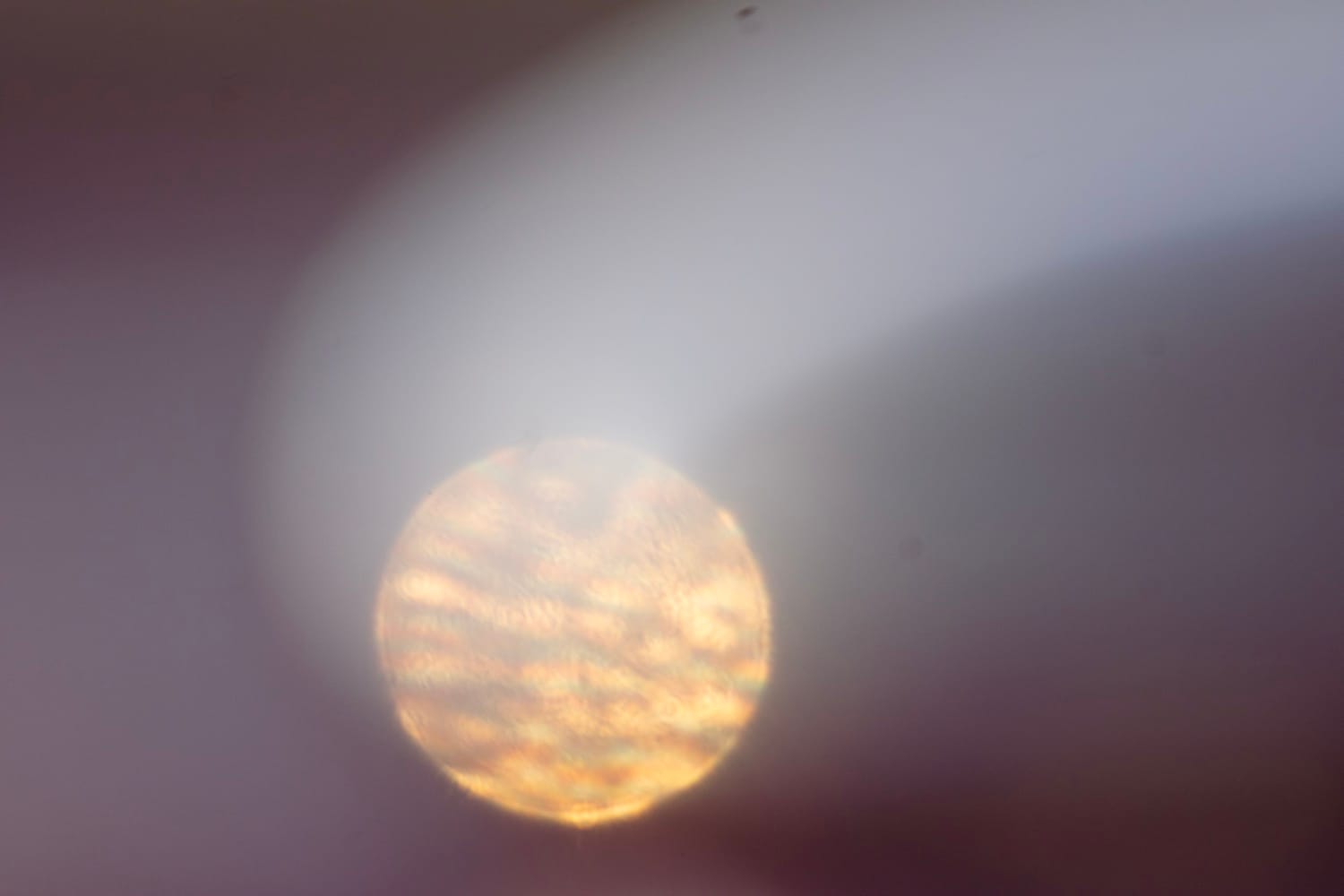
It’s a very compact little lens, which means it throws up a decent amount of optical distortion and has quite a presence in the photos it takes.
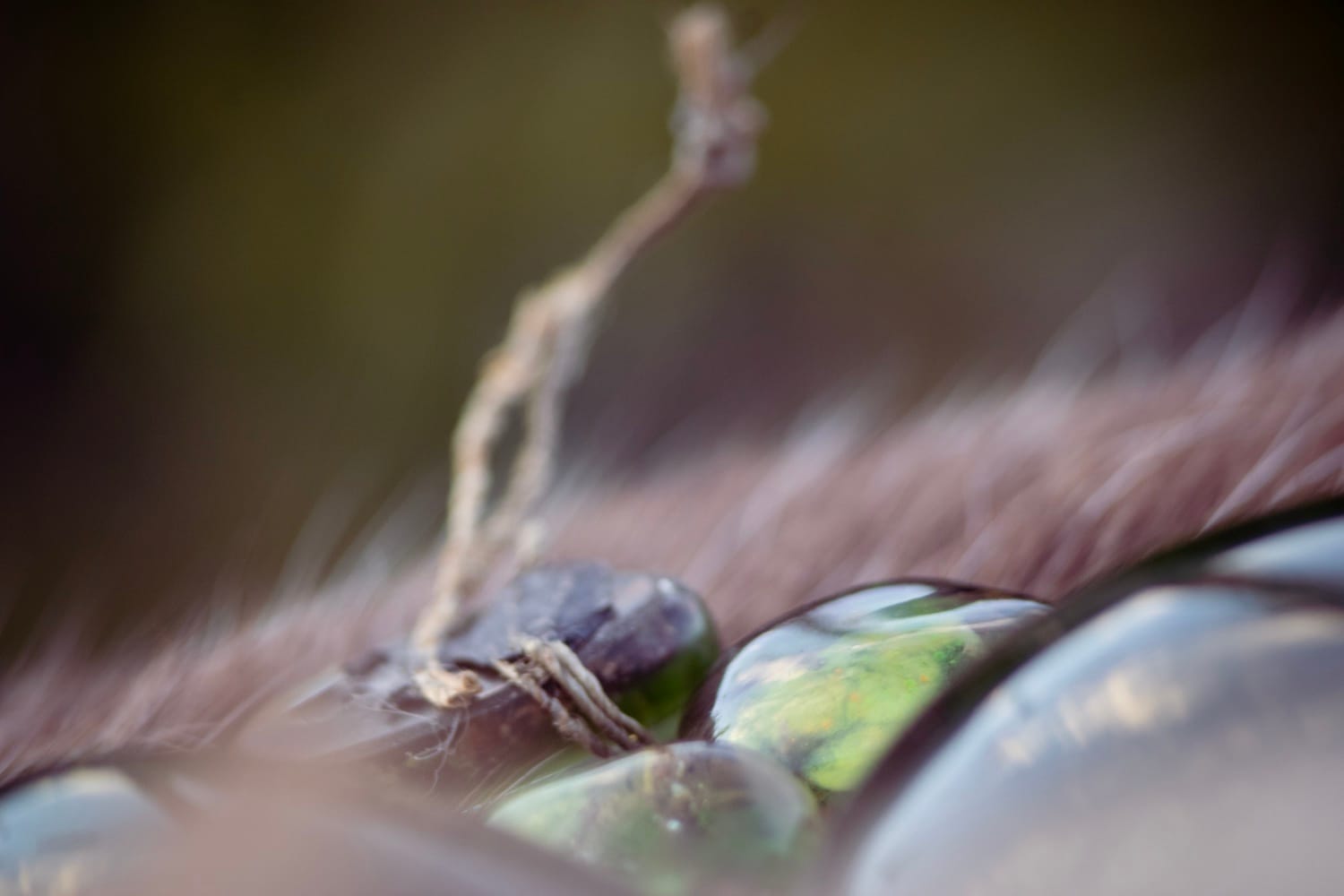
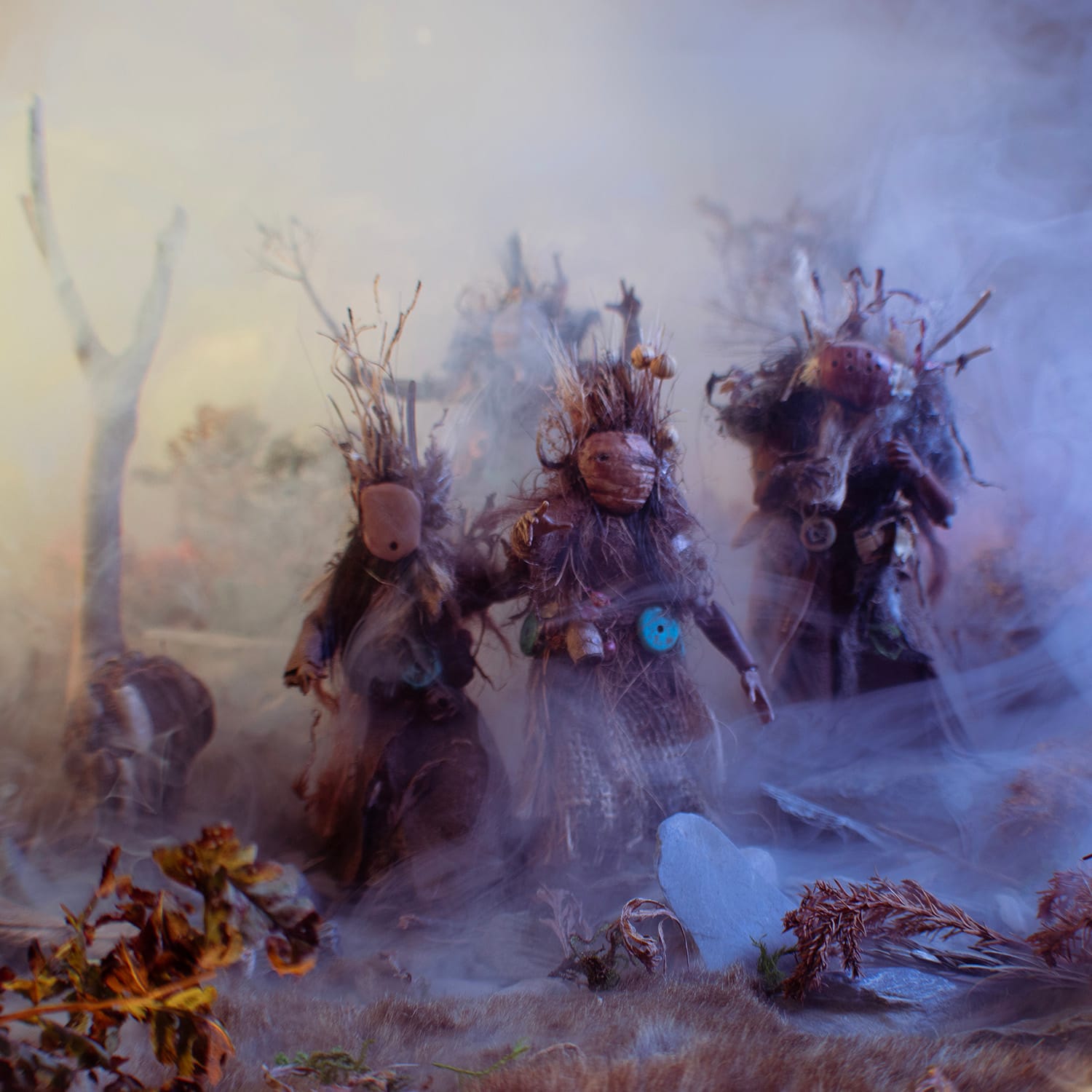
I fell instantly in love with this lens. The distortion and colour was incredible, and so evocative of 1960s Soviet era. And while the Maskwitches project isn’t really anything to do with that specific flavour, it is very much to do with ways of seeing and constructing the world.
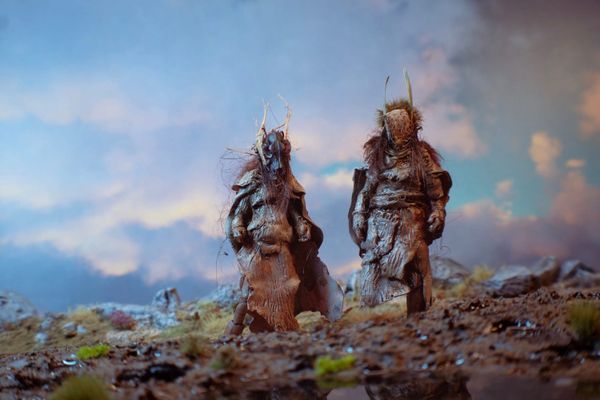
Maskwitches is a layered thing, knowingly using puppets/model figures to represent real people who are invented by the players of the game, and who then occupy a shared imaginary space. (There’s a lot in that sentence, it’s ok to read it more than once)
The use of models is all about these levels of imagination and artifice, and how that sits with the ideas of the material conditions presented in the game. Maskwitches intuits a reality in the deep past, which is imaginary in itself, while also adding more deliberately “fantastical” or imaginary elements that spring out of those material conditions.
Adding another layer, and being more aware of the camera, and having the lens we’re seeing through make its presence felt was a very natural step when the opportunity arose. The camera isn't a reliable witness, or simply a clear window to look through. Upping the presence of the lens helps remind us of this.
I’d also been somewhat preoccupied with the need to “improve” my camera equipment. I feel a certain self consciousness that I use very basic tools. And I’d been interrogating that feeling for a while. I’ve always taken great delight in using the “wrong” tools for making art. And it’s verging on cliché at this point that those kinds of limitations provoke creativity.
I fell into the discovery that rather than dwelling on being unable to step up to the next level of new lens - which would mean spending at least £1000 for the next step up - I could explore the worlds of vintage Soviet optical glass for less than £30 a time. This was revelatory, and a whole area of exploration beckoned.
I’ve now built a small collection of really interesting vintage lenses. The process of buying them has proved interesting, with a couple of missteps along the way, which always prove enjoyable in their own way.
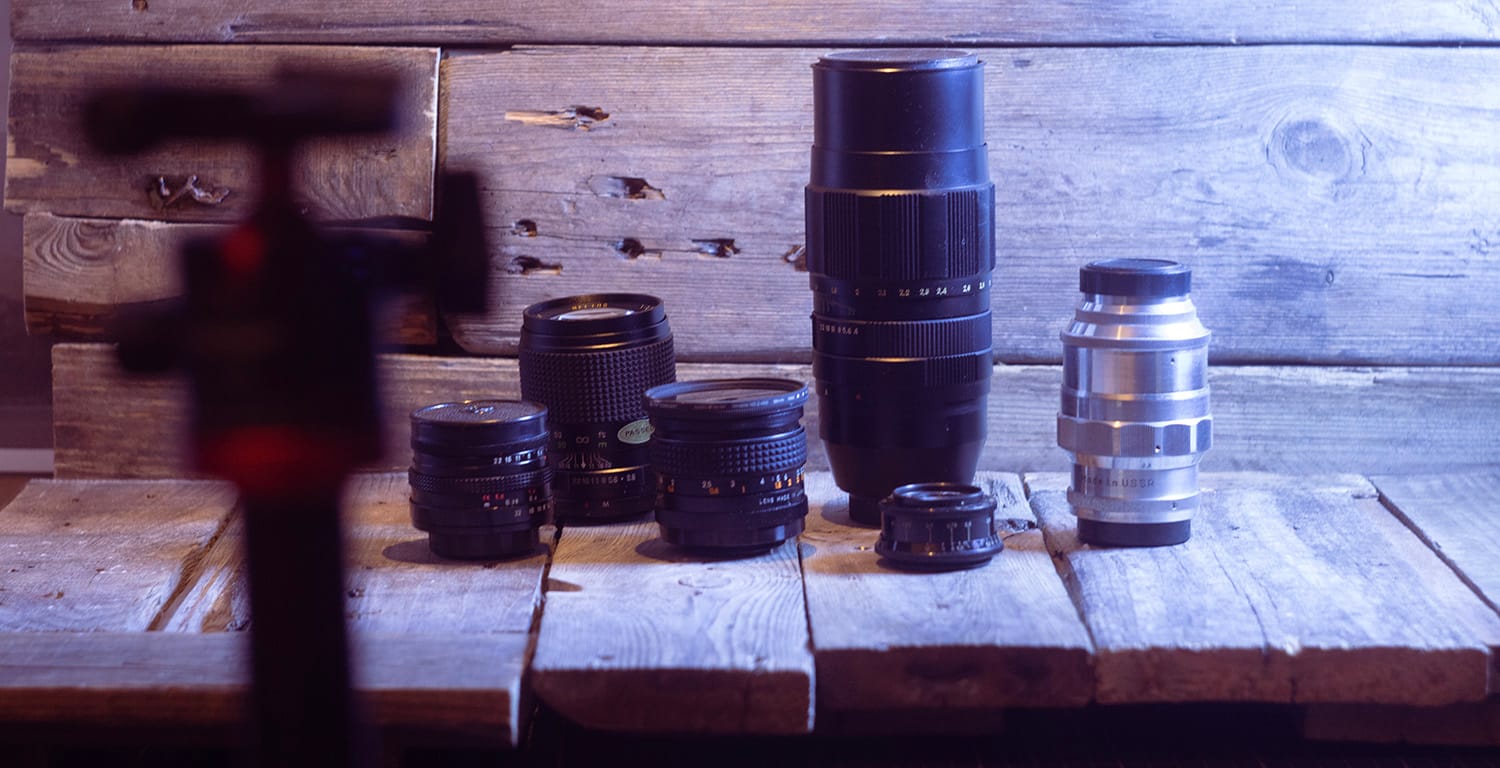
Largely it’s been a very smooth process. The resellers of vintage camera equipment run a slick operation these days, and there’s plenty to discover. I thought it might be interesting to simply catalogue what I’ve collected.
I think it’s worth saying I’m far from a photography expert. I am learning as I go, which is a big part of this project as a whole. How do we make something? Anything? That’s the question, really. How do we think about things, how to we apply our thinking, what does our thinking look like? I do not have a deep technical knowledge of photography or camera lenses, beyond a basic art school grounding completed 30 years ago, so I’m not really trying to teach you anything here, beyond the idea that exploring is possible.
It’s not lost on me that having trained as a fine artist, and having taken a decades long detour into props making and illustration I’m back at fine art with Maskwitches. It is a self-reflexive exploration of culture and how we examine and talk about culture. It’s very oblique and I like to think gentle in some ways. It’s soft touch stuff, and the game remains entirely playable without taking any time to consider the layers that went into the imagery that’s so strong a part of it.
This really matters to me. I’m always juggling an interest in piercing that veil of “content” to get to the structure underneath, while also living in admiration of those untroubled by complex thoughts. Those who simply enjoy the music of Iron Maiden are probably living happier, more productive lives than the likes of myself pondering the oeuvre of Thurston Moore, right? I’ve always enjoyed the unquestioned, exciting absurdities of DnD for their own sake, alongside being fascinated by the philosophical underpinnings of how the human world works.
Anyway. Back to the lenses.
Industar 50-2
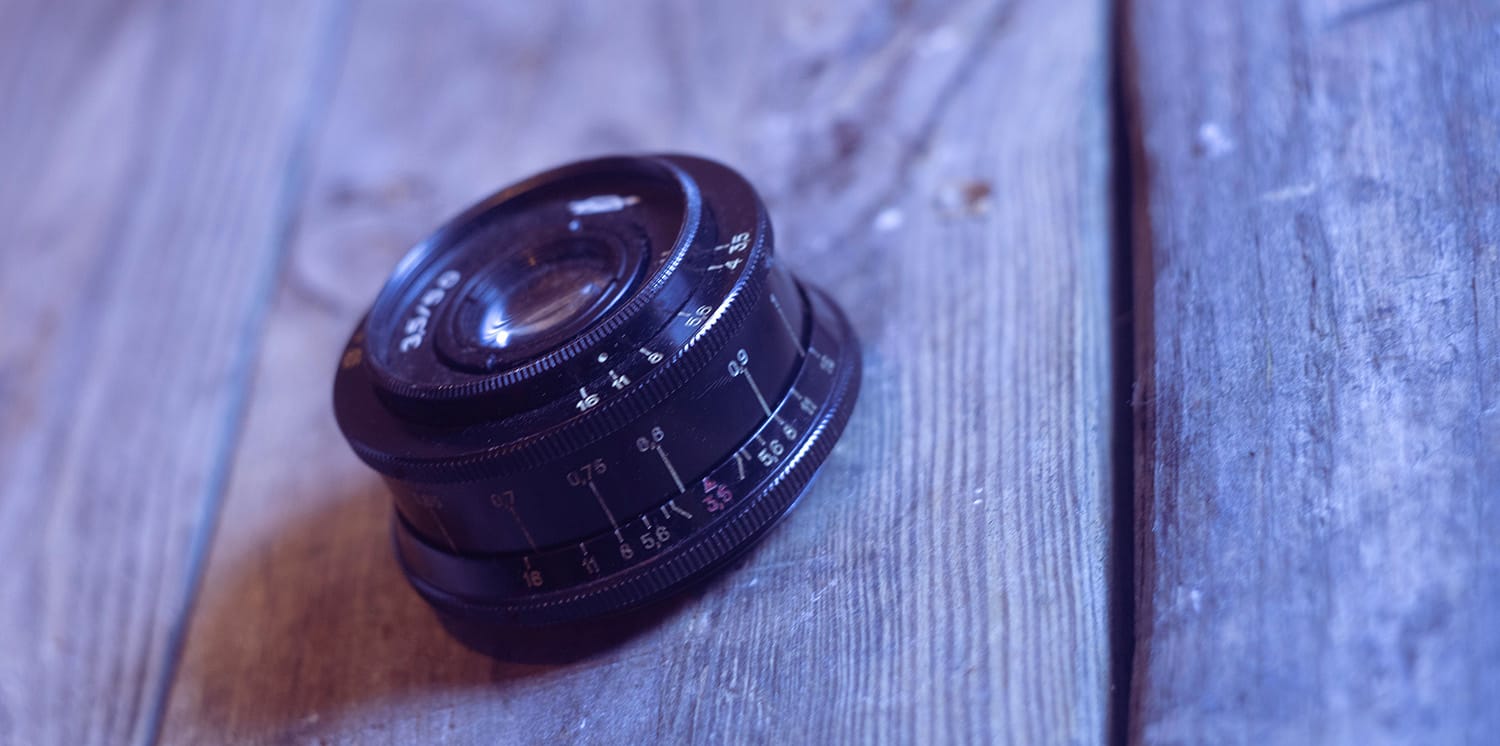
This was my first Soviet lens, as described above. Soon after buying this, I managed to break it. I’m not quite sure how exactly, but something came loose, and some parts parted company. I was so disappointed that I immediately ordered another one from eBay. But before that second one arrived I was able to fix the first. I think this really set me on my journey into vintage lenses: the ability to repair what is mechanical equipment is huge! They work fairly simply, and if you understand the basics of lenses, repairs are eminently possible.
Finding myself in possession of two of these lenses also meant I was able to pass one to another RPG creator in Scotland who is now putting it to good use. Nothing is wasted.
The quality of this lens really appeals to me. The impact of such a small lens, the focal length and the way it provides such rich colour and an attractive kind of distortion is so appealing. I’m so glad I started here.
It’s also so compact it makes my camera that much easier to handle. It looks awesome, and I like the absurdity of this tiny little very affordable lens punching way above its weight.
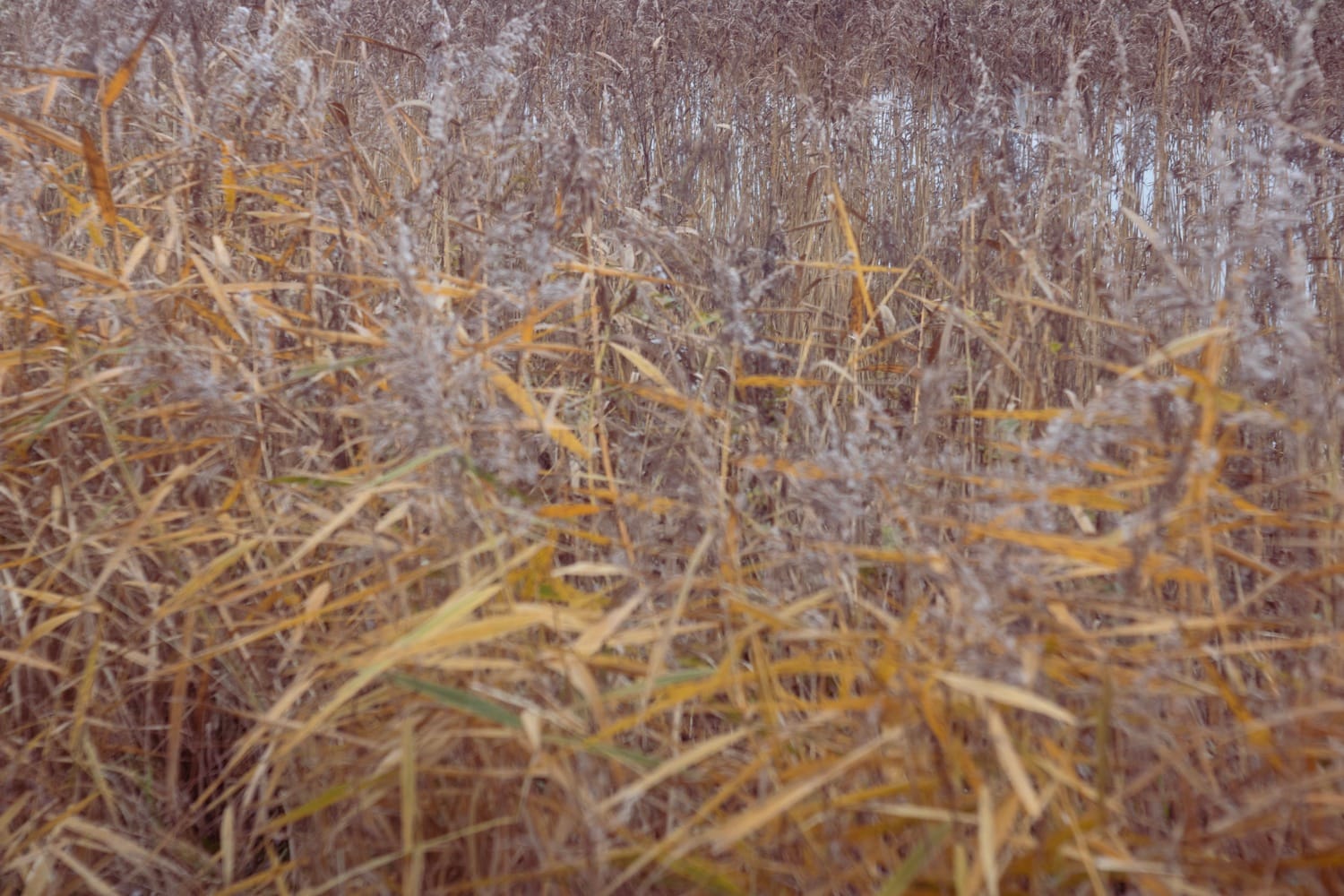
There are lots of more technical reviews of these lenses online, and I don’t think I’m best placed to offer field test/technical user guides, so I’m going to stick to my own idiosyncratic experiences. For example this lens is renowned for being fiddly. The focus ring moves the aperture ring and vice versa. To me this is great. Project that onto our perception of the world, and onto roleplaying games as a medium that attempts to model the world, or at least model something. Having two controls that interfere with one another is nothing but interesting to me.
Helios 135mm
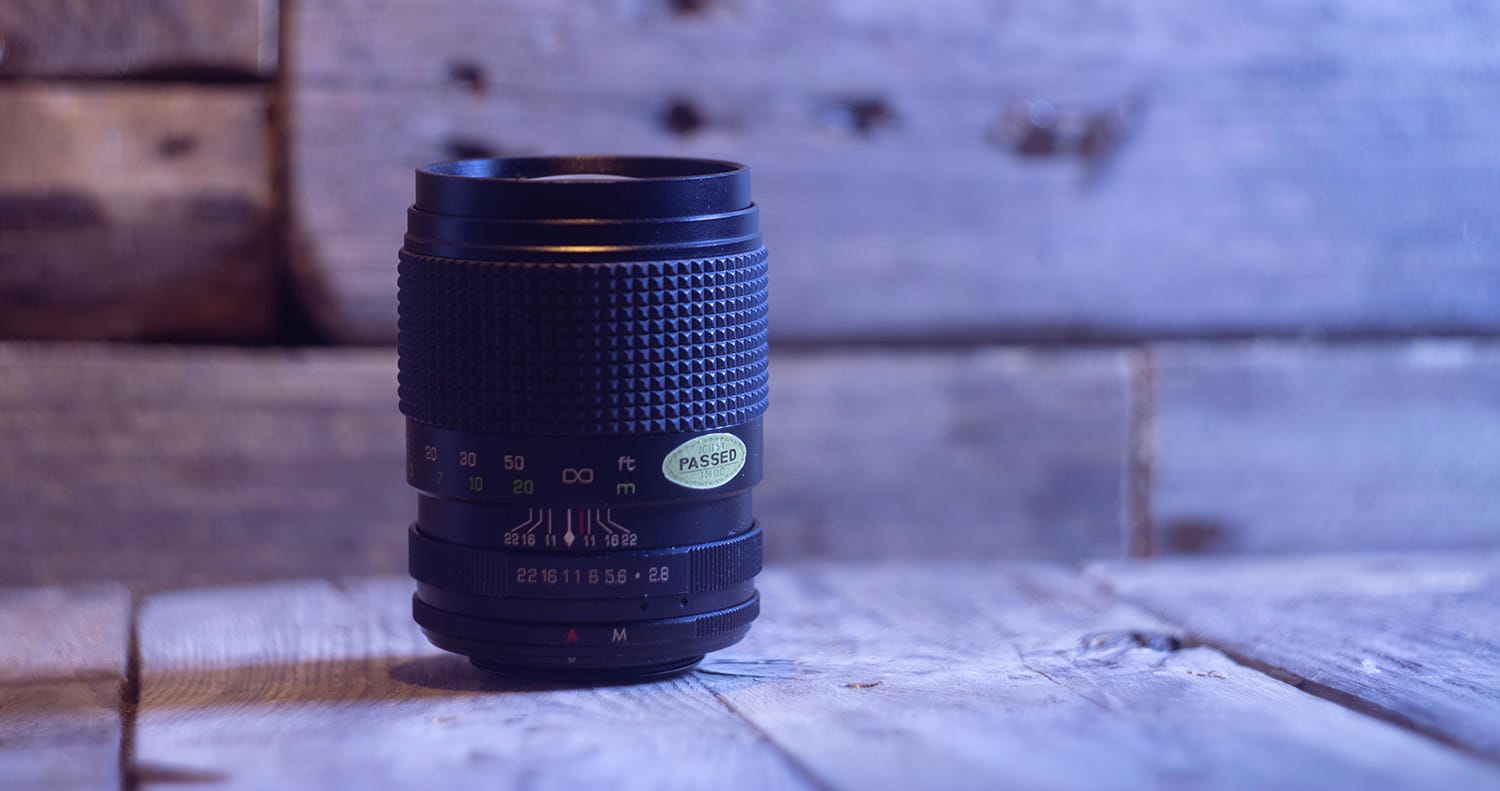
This was my first failure. When you buy vintage lenses on eBay there’s a few things that you can encounter. Something we have to remember is that the seller might simply be picking these things up and passing them on, or they might be reconditioning and repairing them. A frequent problem with reconditioned vintage lenses is that the aperture leaves can get soaked in oil to make the action work smoothly. But that can also make them stick. This lens arrived with very oily aperture leaves, which appeared jammed.
Now I made a silly mistake. Instead of just contacting the seller and asking to return it, I opened up the lens to see what was going on: a mix of curiosity and a misplaced belief in my apparent power to fix lenses. It turned out that this one not been reassembled correctly when it’d been reconditioned. A tiny spring had been pushed out of place, and the whole thing was jammed as a result. However this meant there was no way the seller was going to accept a return after I’d popped the thing open. I wasn’t too bothered to be honest, and I enjoyed taking it apart. It's also still useable, albeit with no aperture controls. I had a nice chat with them, and they discounted the purchase a little bit, which was very kind. All good. Lessons learned.
Helios 44 58mm
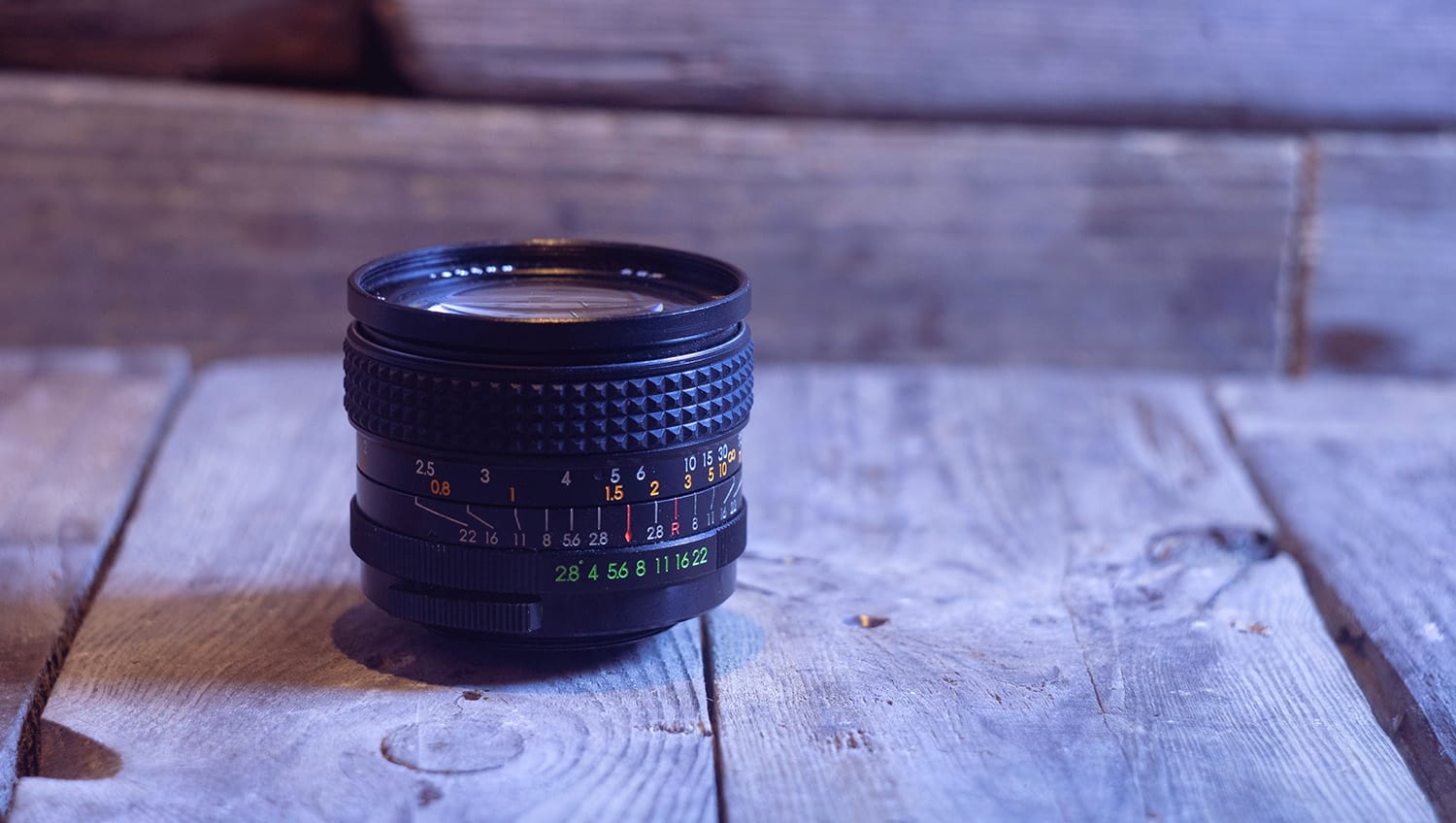
This is a nice workhorse of a lens and I use it a lot. The results are not as stylised as the Industar 50-2 due to the larger lens. But we still get that wonderful vintage glass feel. Plus all of these lenses are entirely manual, and the camera isn’t getting as much information as it would access from a modern lens, which generally will have connections to the camera’s onboard processing. All of that is cut out completely. I shoot in RAW format, so that I can get at all of the settings of the camera’s sensor, and this works really well with these “non smart” vintage lenses.
The focal length being just a touch longer than the 50mm is handy, as much as I love the inherent limitations of a 50mm. This is a real classic lens, and offers some great separation between subject and background when you get it right - which is really good for Maskwitches character model work.
Jupiter 11 135mm
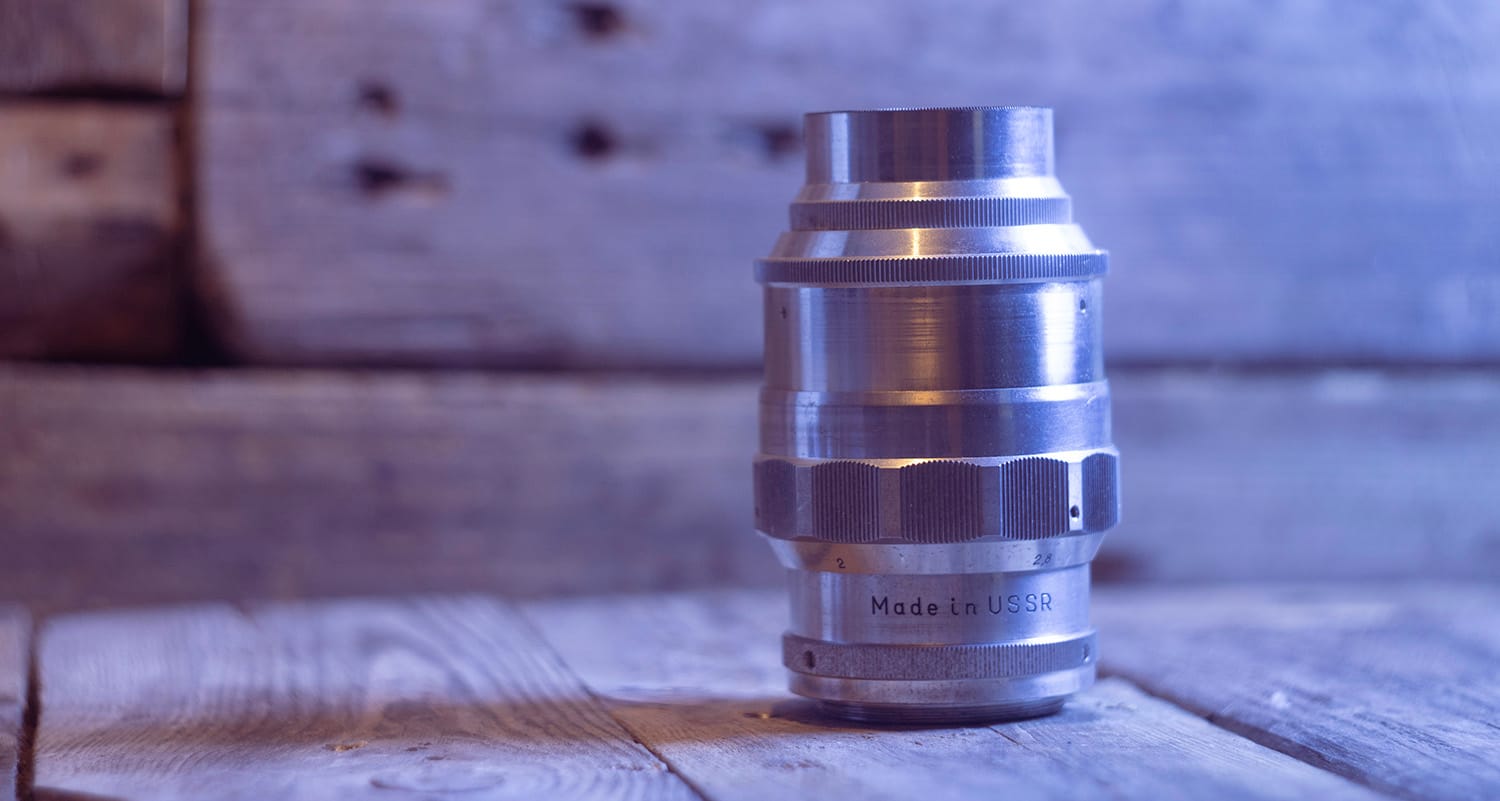
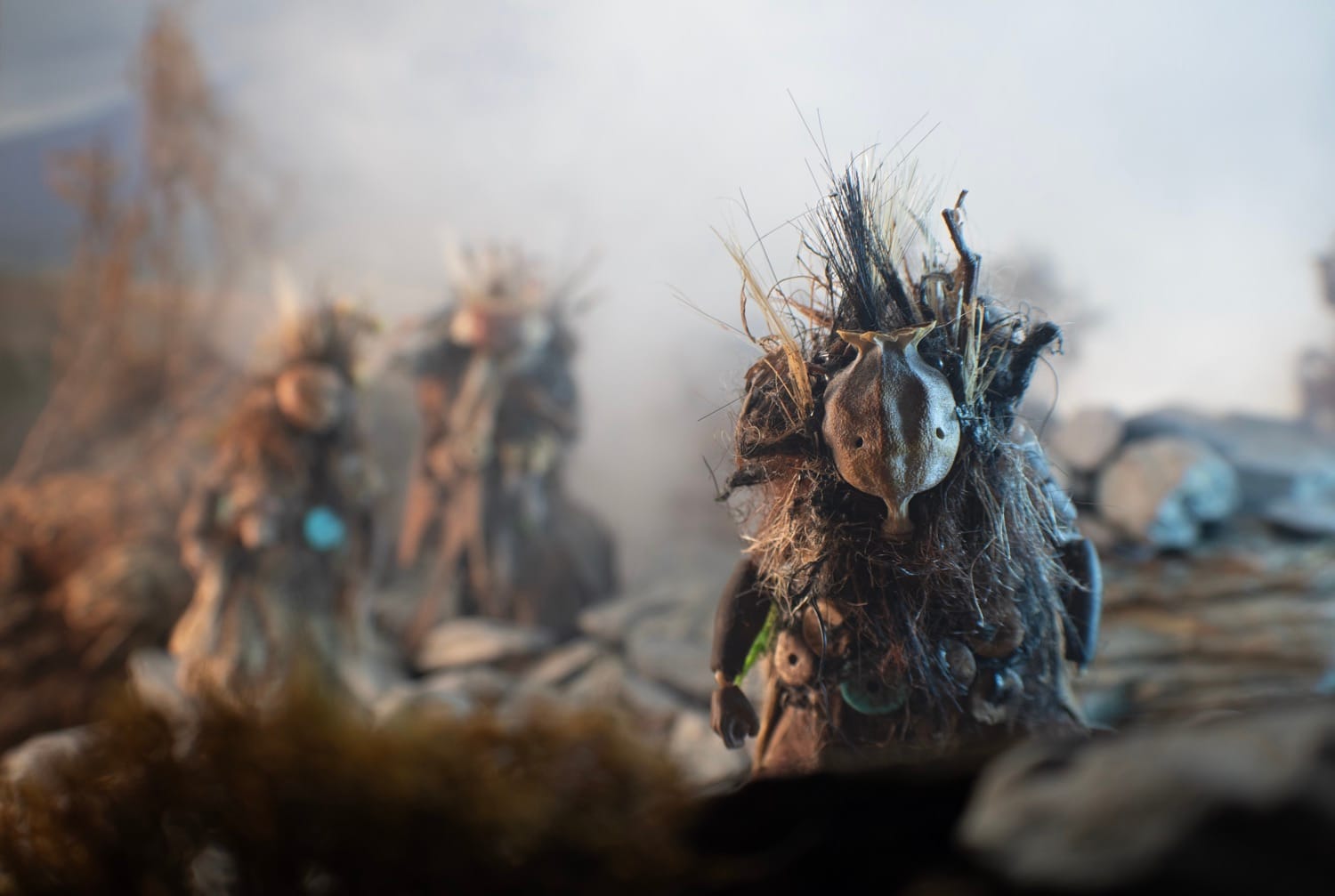
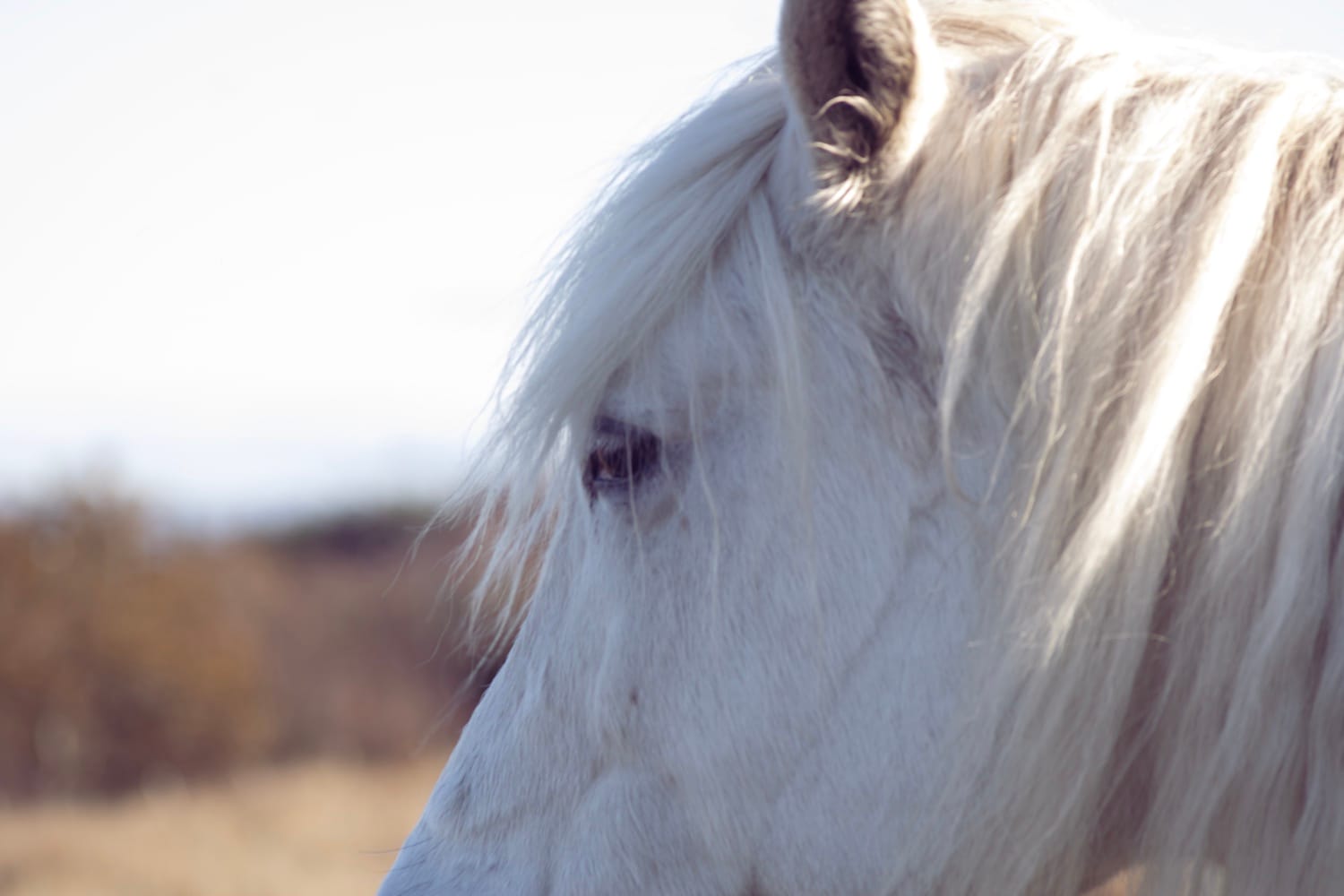
I confess I bought this lens because of how it looks. It’s extremely difficult to use in comparison to the rough and tumble of a 50mm, and certainly is a tricky customer to use for model photography, but I have done so, and I like how difficult it is. With the right set up, placing the camera a really long way from the models - it’s a telephoto lens after all - you can get some interesting results. Even if they’re not really the intended usage.
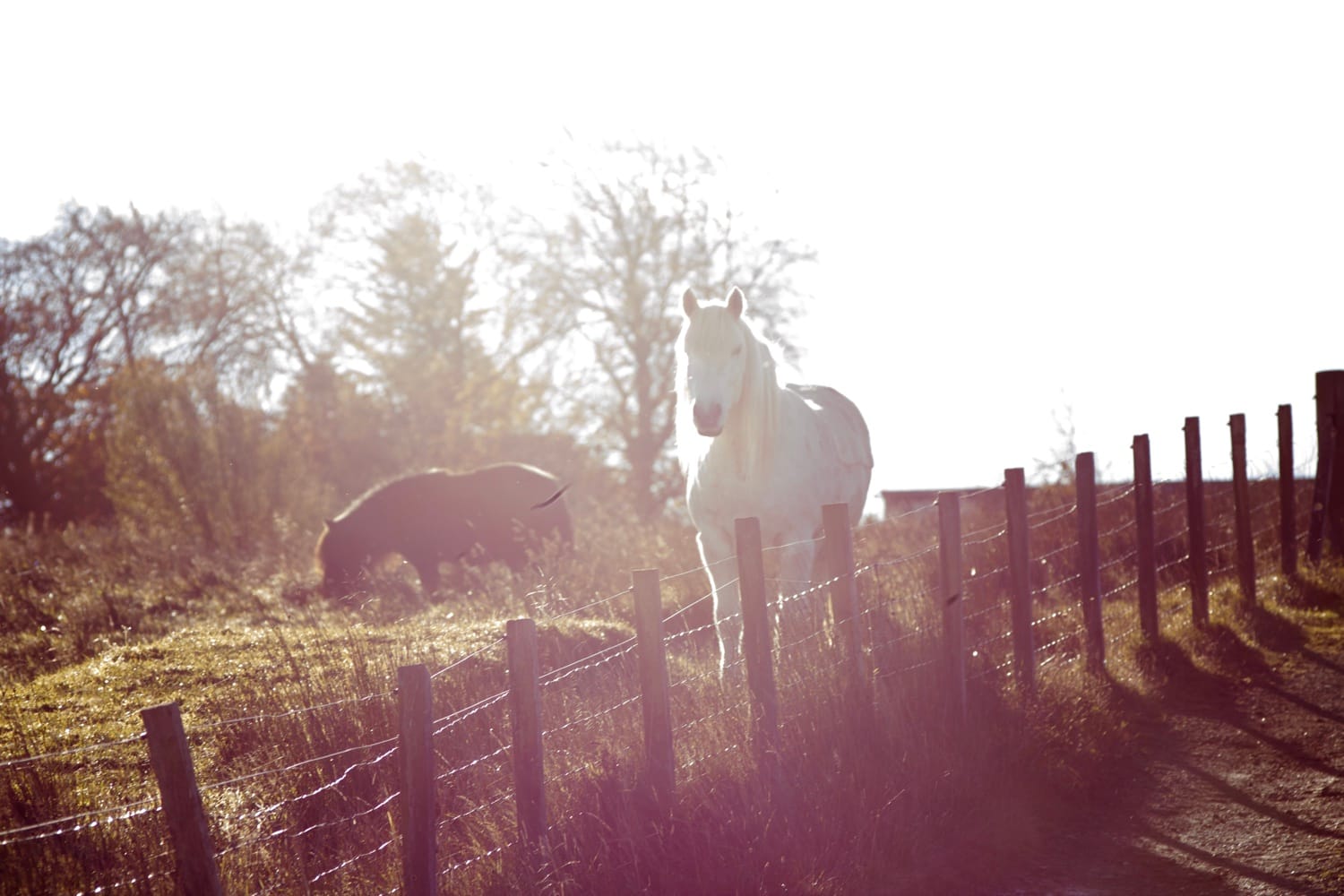
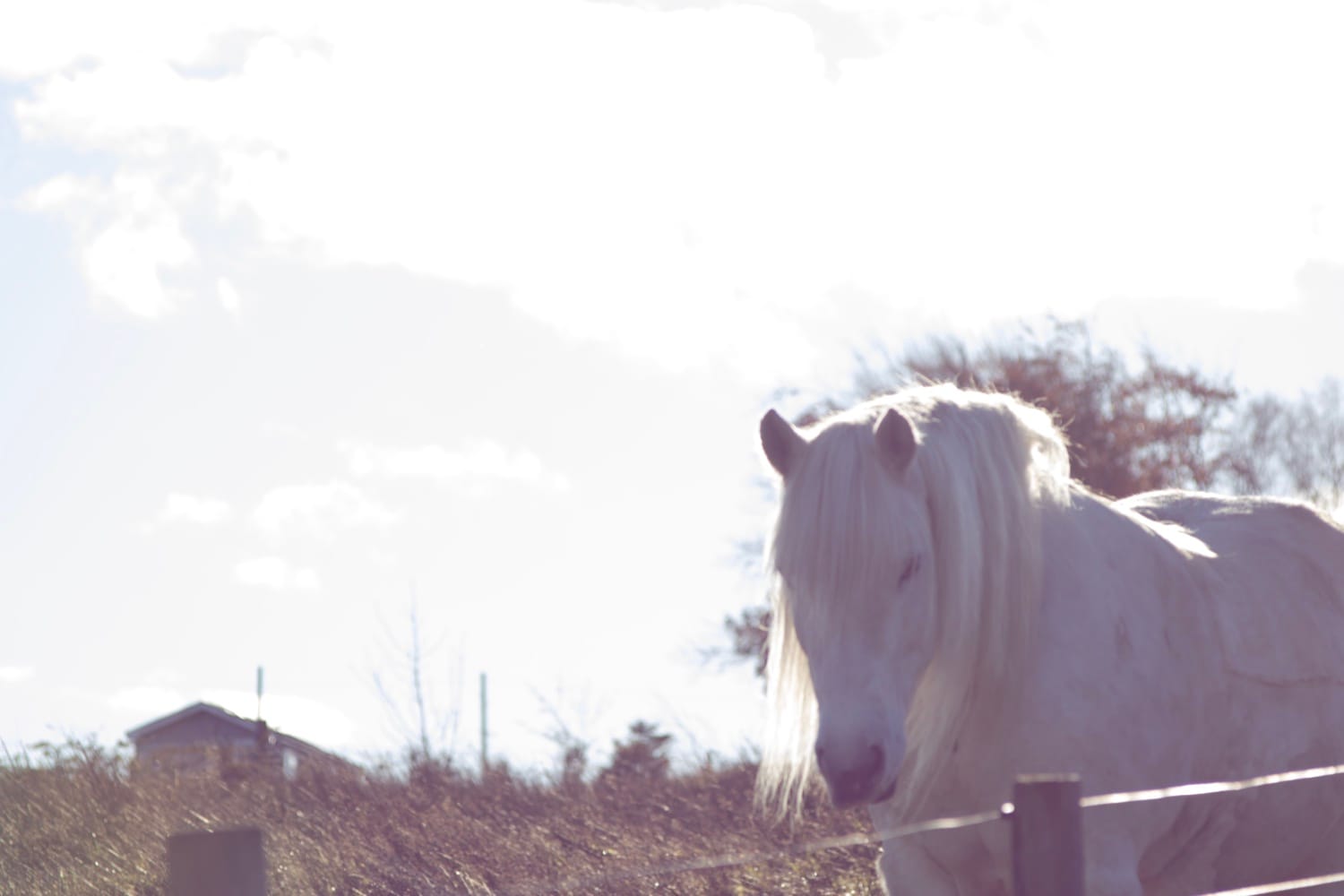
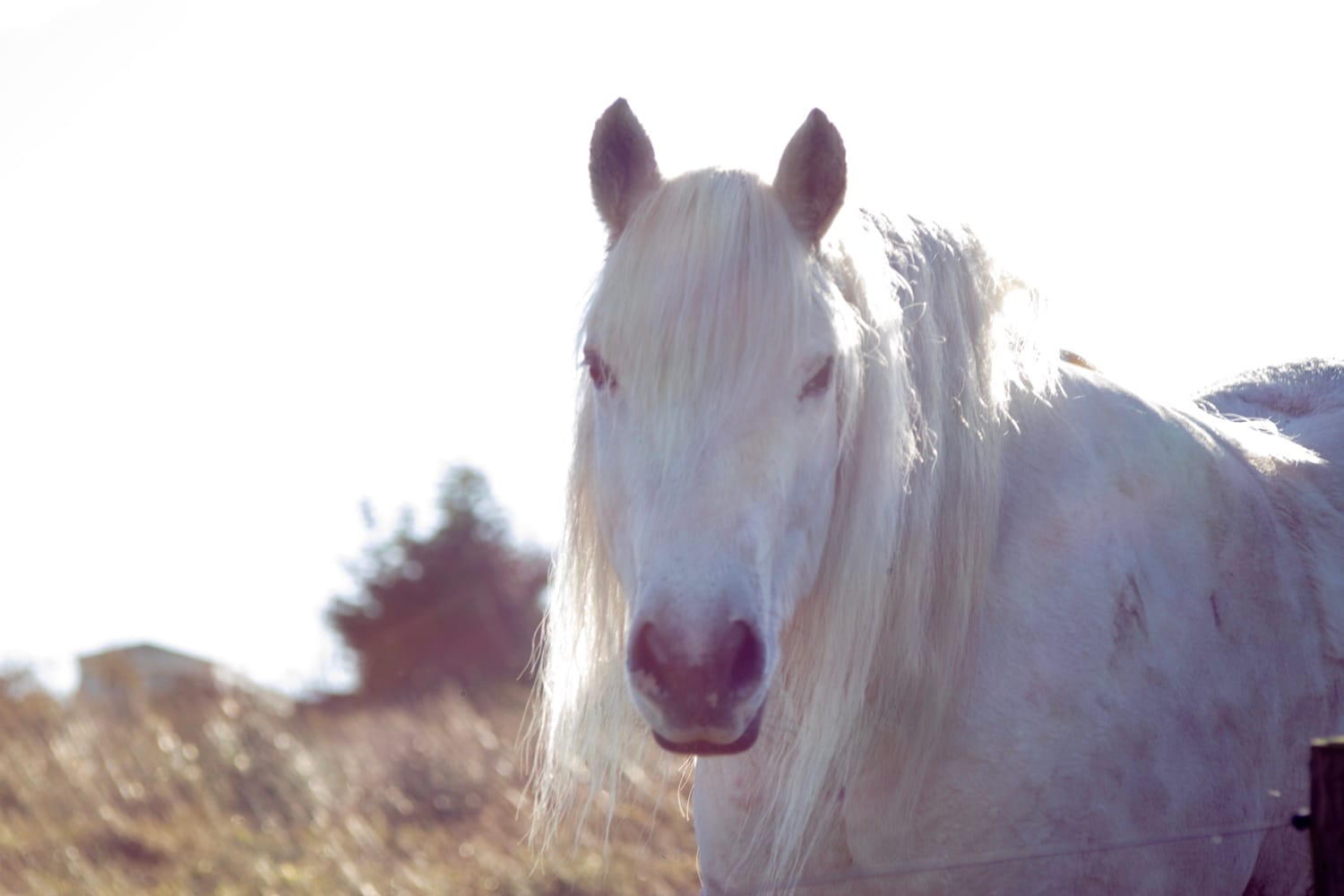
Outdoors I’ve had some lovely results. For some reason this particular individual lens has a mechanical stop on the aperture ring, allowing only a small range of adjustment. I should probably find the time to look into why that is. (as I’m writing this I just took another look at it, and it appears to be more complex - I suspect I’ve misunderstood something. I sense a rabbit hole to explore!)
Helios 28mm
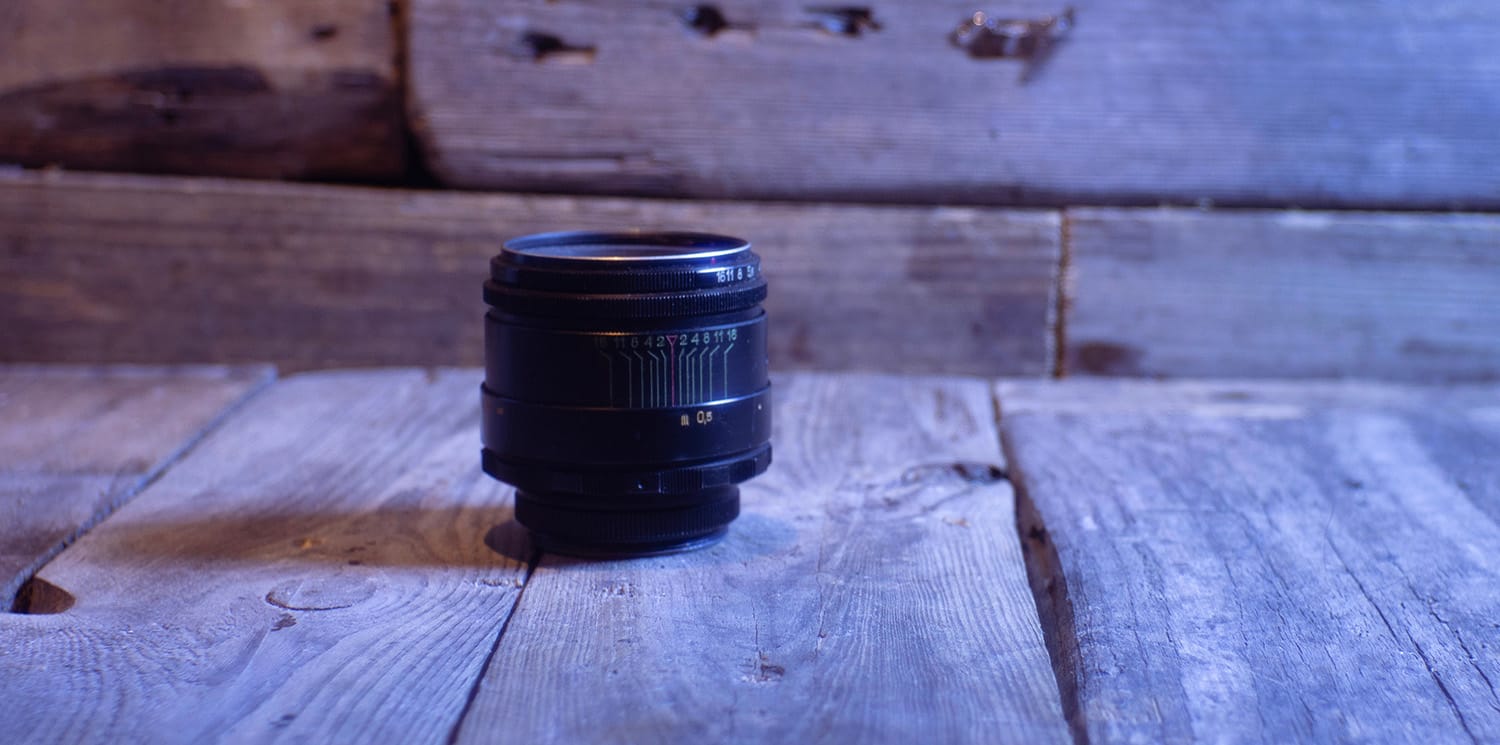
This is a mid range wide angle, which is very good for model photography. I don’t use it as much as I should, but it arrived with me fairly late in the production of the GM’s Companion. Oh for a time machine. I did use it in several shots in the book, although I swap lenses so frequently, and tend to run with exciting results more than the technically correct lens, so it’s hard to be sure. As with all of these lens the super-manual nature of it, once I acclimatised to it, is very helpful in pushing the work.
Pentacon 3.5 30mm
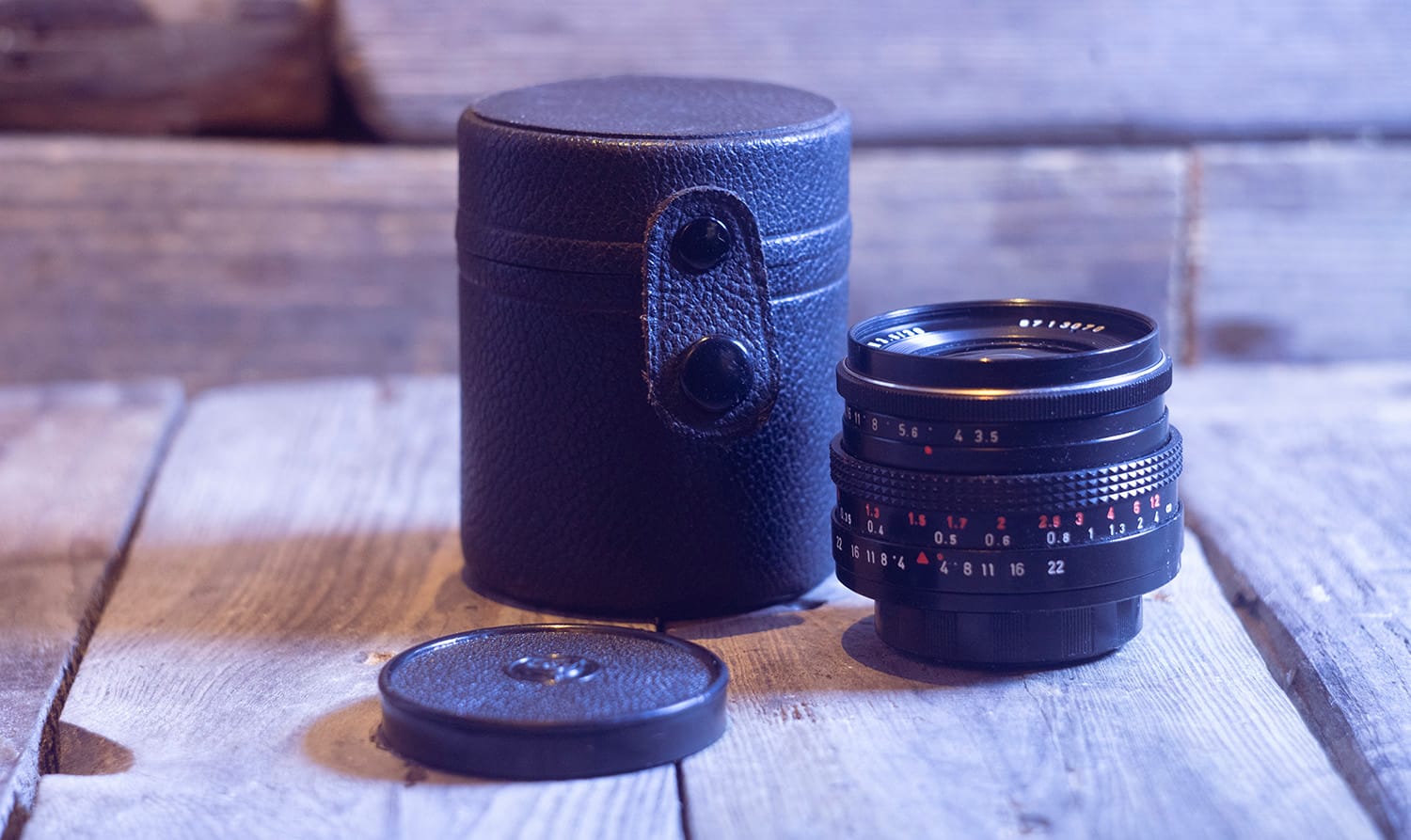
Not a soviet lens! An East German one! This came in a really nice case and with lens caps, which isn’t super common. Another good one for model work and has some enjoyable constraints for shooting outdoors. The sharpness and clarity is really nice on this lens.
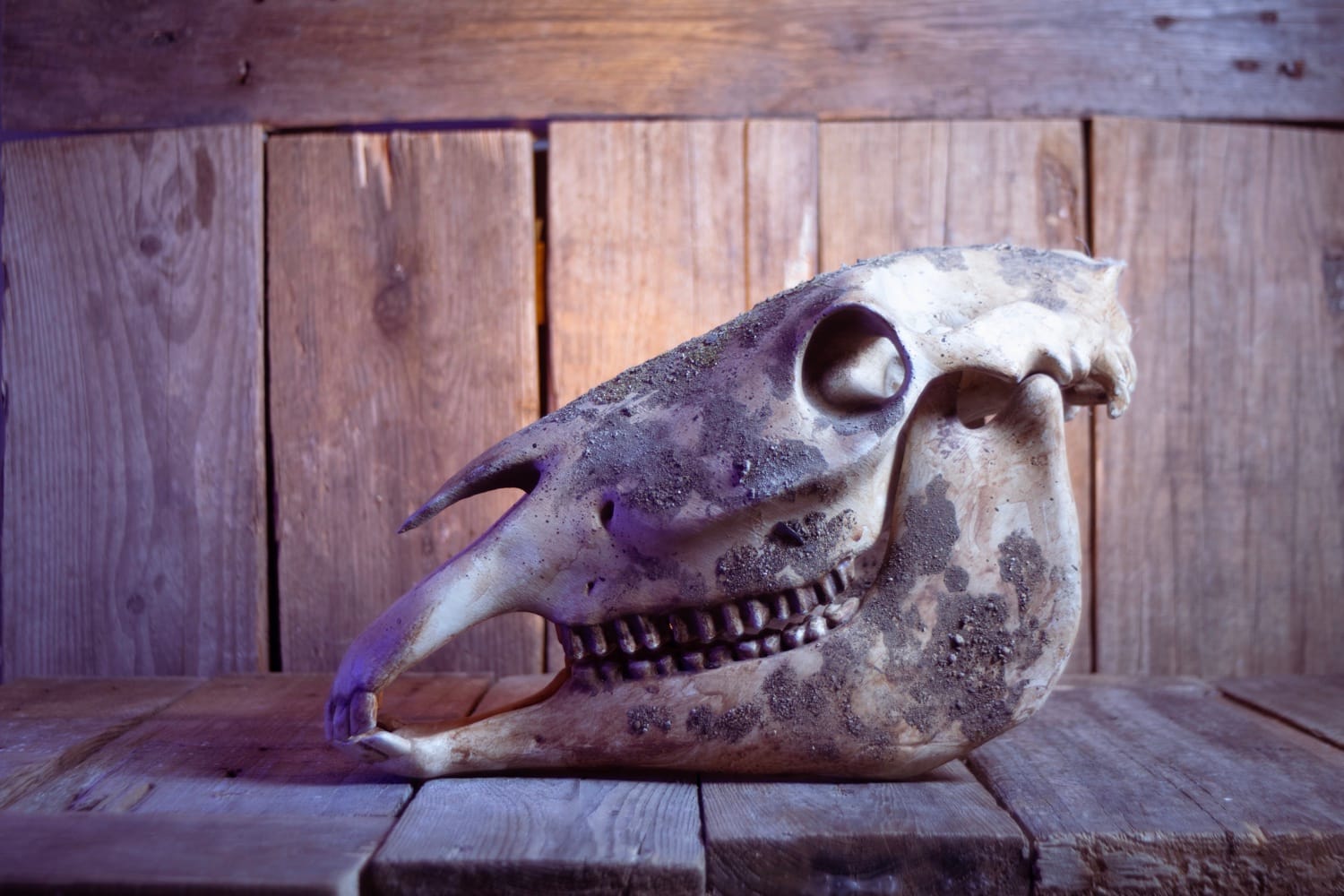
Jupiter 21M 200mm
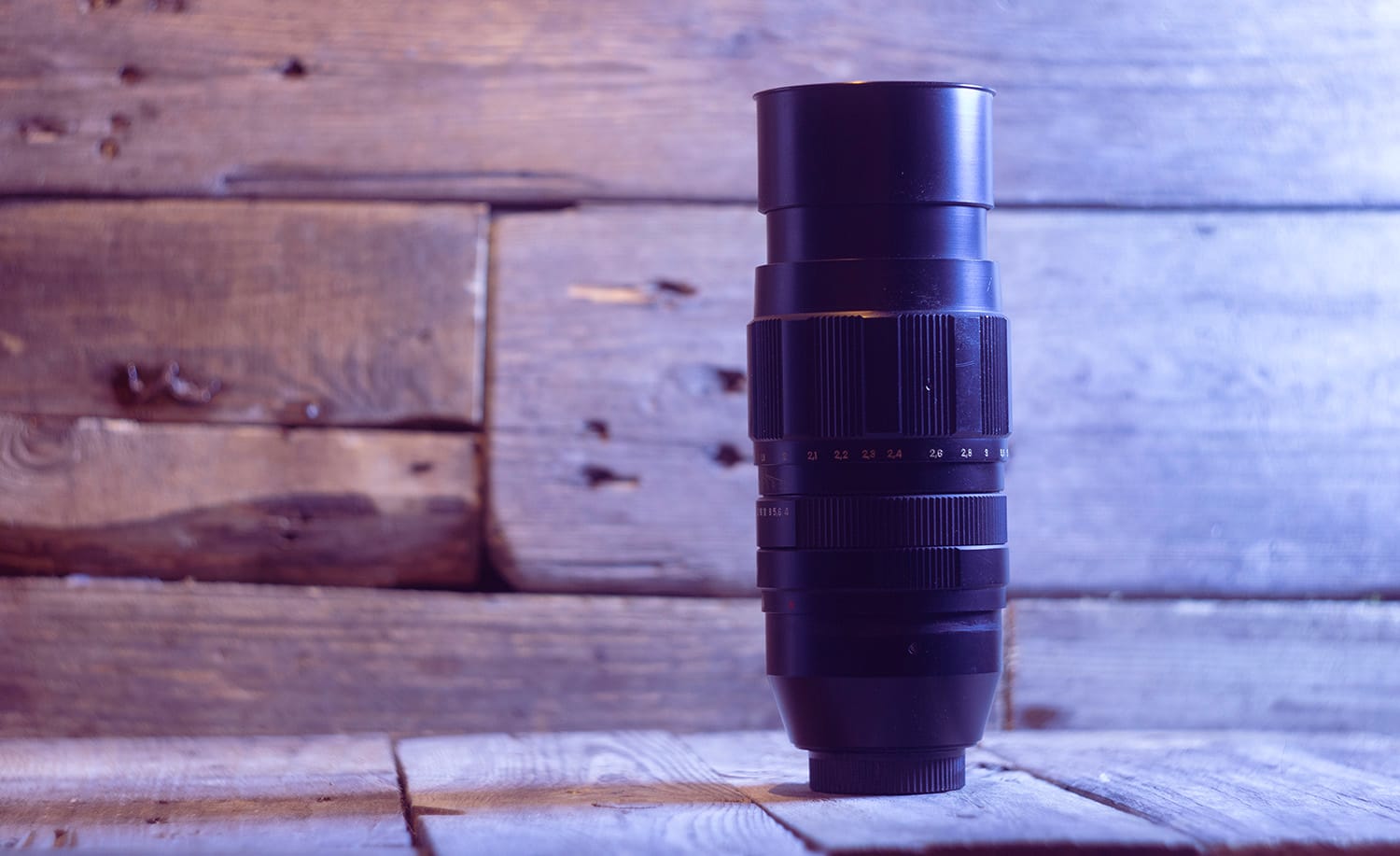
I haven’t actually used this one in anger yet! Another telephoto which was bought on the basis of its looks and potential for experimentation. It is very heavy, which is probably the reason it is yet to see action. There's a whole lot of glass in there.
Industar enlarger lens
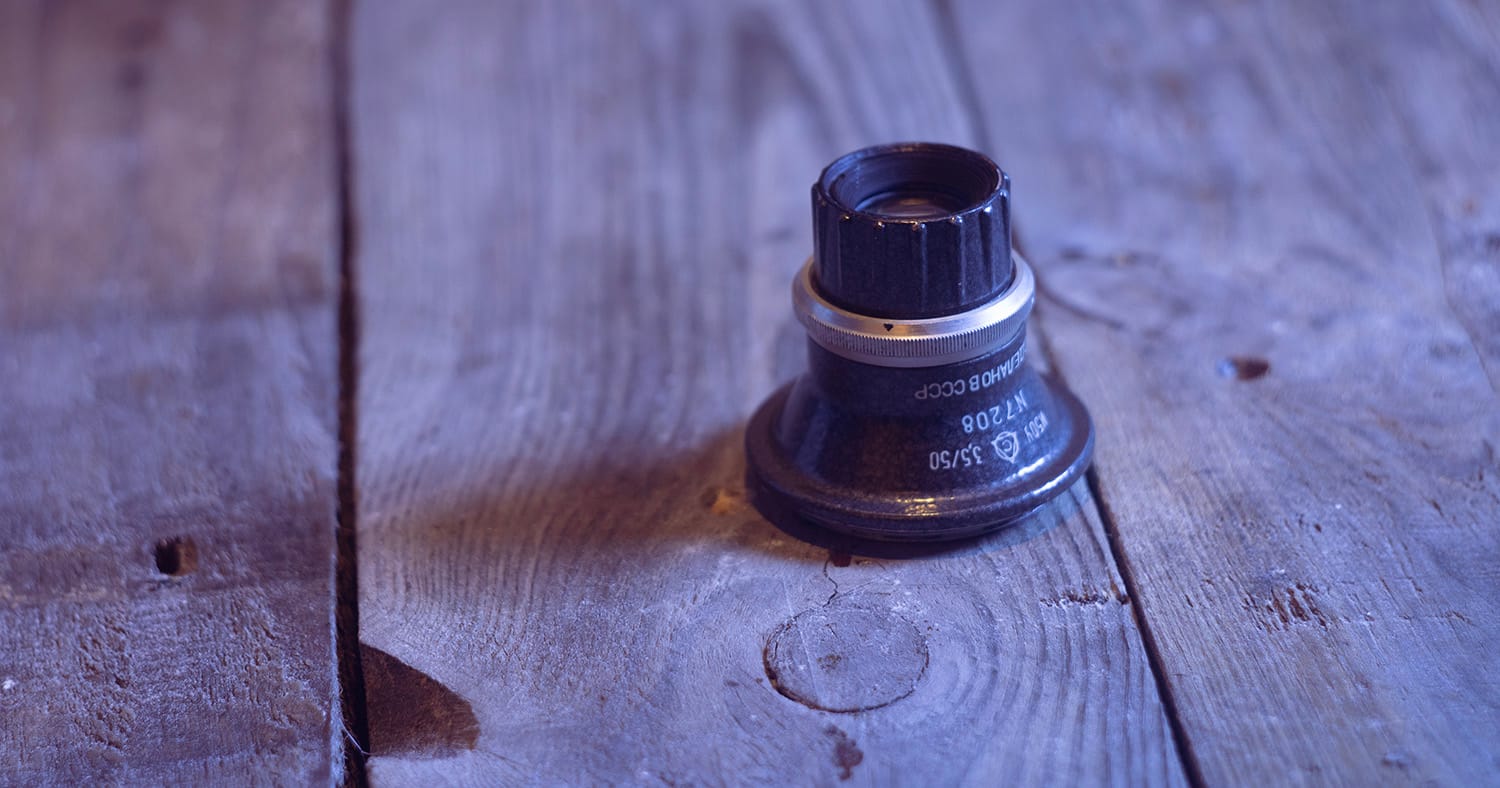
What a fascinating lens. This is from a photographic enlarger, and isn’t really intended to be attached to a camera used in the wild. It’s meant to live in a dark room, and is for enlarging photographs and possibly microfiche. I love the look of it, and it was the cheapest of the bunch. It has to be used very close up, and it has no focus controls. Using as intended, it’d be mounted in such a way that the whole rig would be moved up or down, so it has no need for focus controls - you move the whole camera to get things in focus. It makes for some lovely results on miniatures and book pages, and of course models. Another one that arrived just too late for the Maskwitches Companion, but will see action in future.
Conclusions? Here? Seems unlikely!
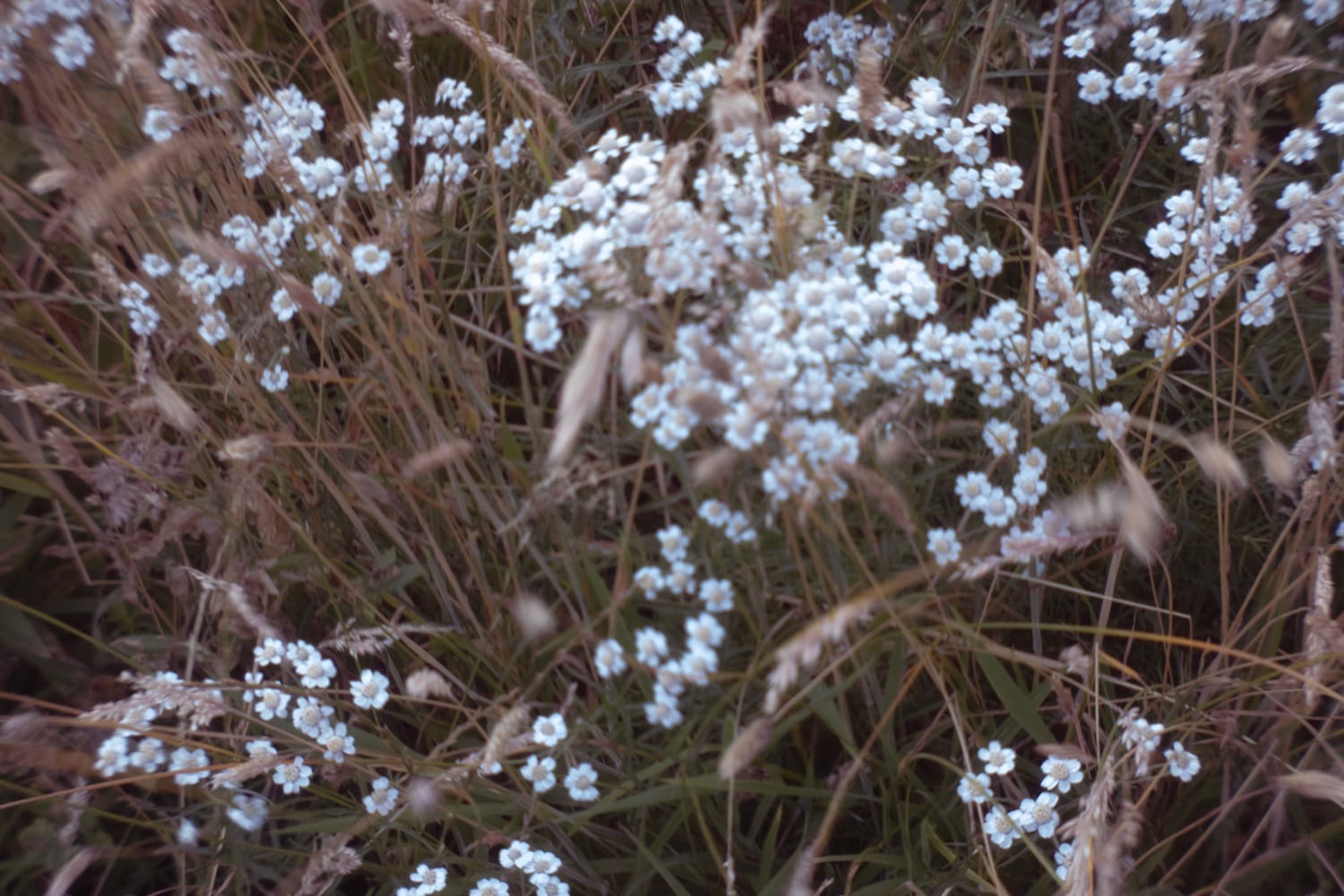
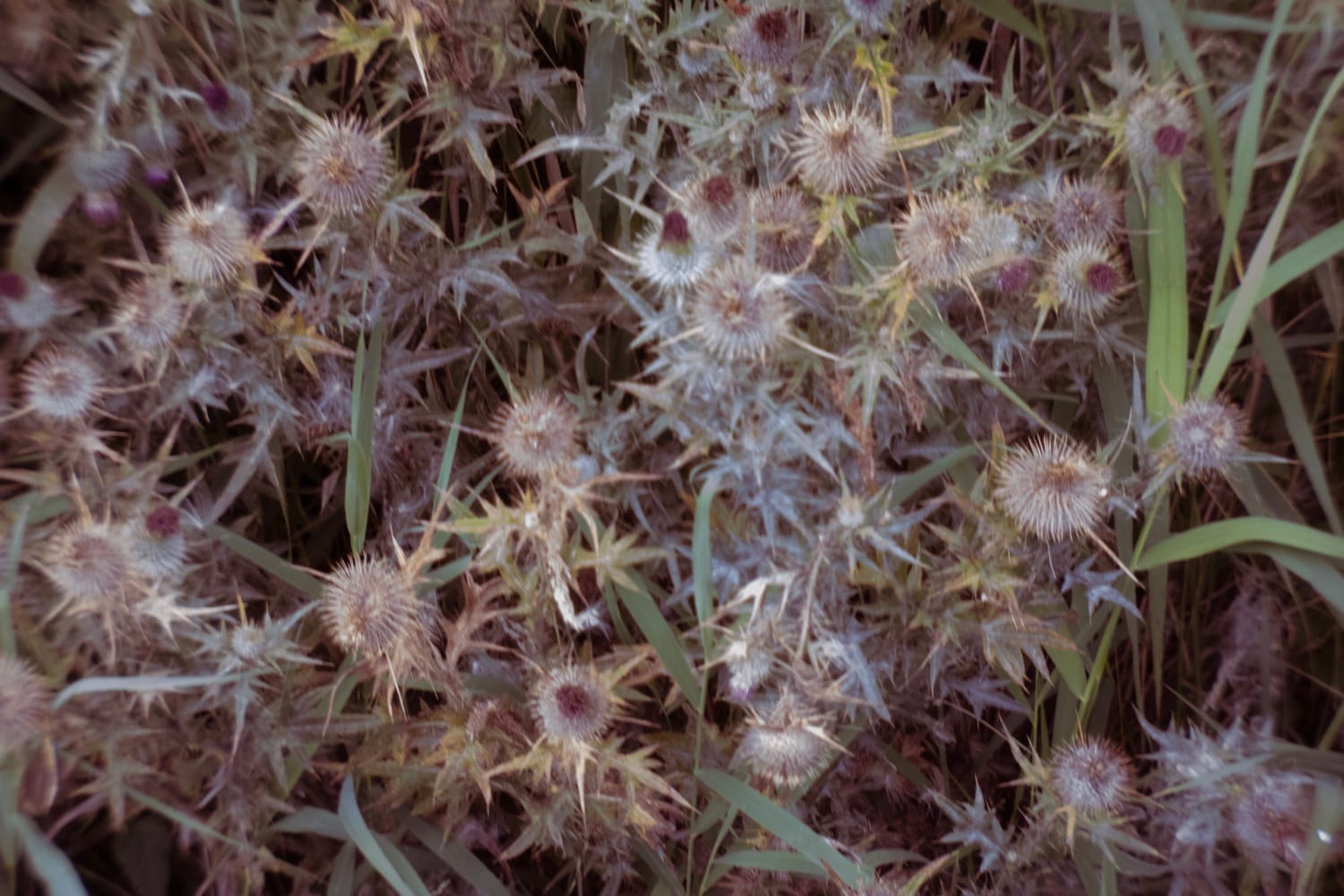
None of these lenses cost more than £40/about $50. I talk about that a lot, and I worry that it makes it sound like I’m obsessed with the cost of things as a money-saving measure, when in fact I’m very happy to spend whatever money I can afford on the right equipment. What I find amazing is that these are really good lenses, which provide unique results, especially for “art” photography where an interesting result matters.
When I was in high school in the late 1900s, my art teacher had a motto pinned up by the door, which I remember as: “I’ve never seen a computer do anything I couldn’t do with a sharp pencil” and that’s always stayed with me. Frustratingly, I cannot remember who it was attributed to. Of course I make enthusiastic use of computers now, but I think it’s well worth considering tools where the skill is in the hands of the user, not the tool itself.
These lenses are not bad tools because they’re more involved to use. They just require a bit of commitment to get the best out of, and I love those learning journeys, and for me it’s what it’s all about. The things you discover along the way can be amazing, and I think it shows in the work. What these lenses offer, in return for the time invested, is a real presence where the camera is transformed from an invisible observer to a much more active participant, in a mechanical way. We could of course replicate something of the look of vintage lenses with digital filters. That would be to miss the point, and to be a somewhat ersatz version of this phenomenon. And gosh, the fidelity of optical glass vs the often murky results of digital filters is quite stark. Whether any of this is readable in the work is a question a work is asking, but even as something that forms a roadmap to a process it feels worthwhile.
I’m currently saving up for a £50 wide angle Industar, which apparently exist in great quantities in Kazakhstan.
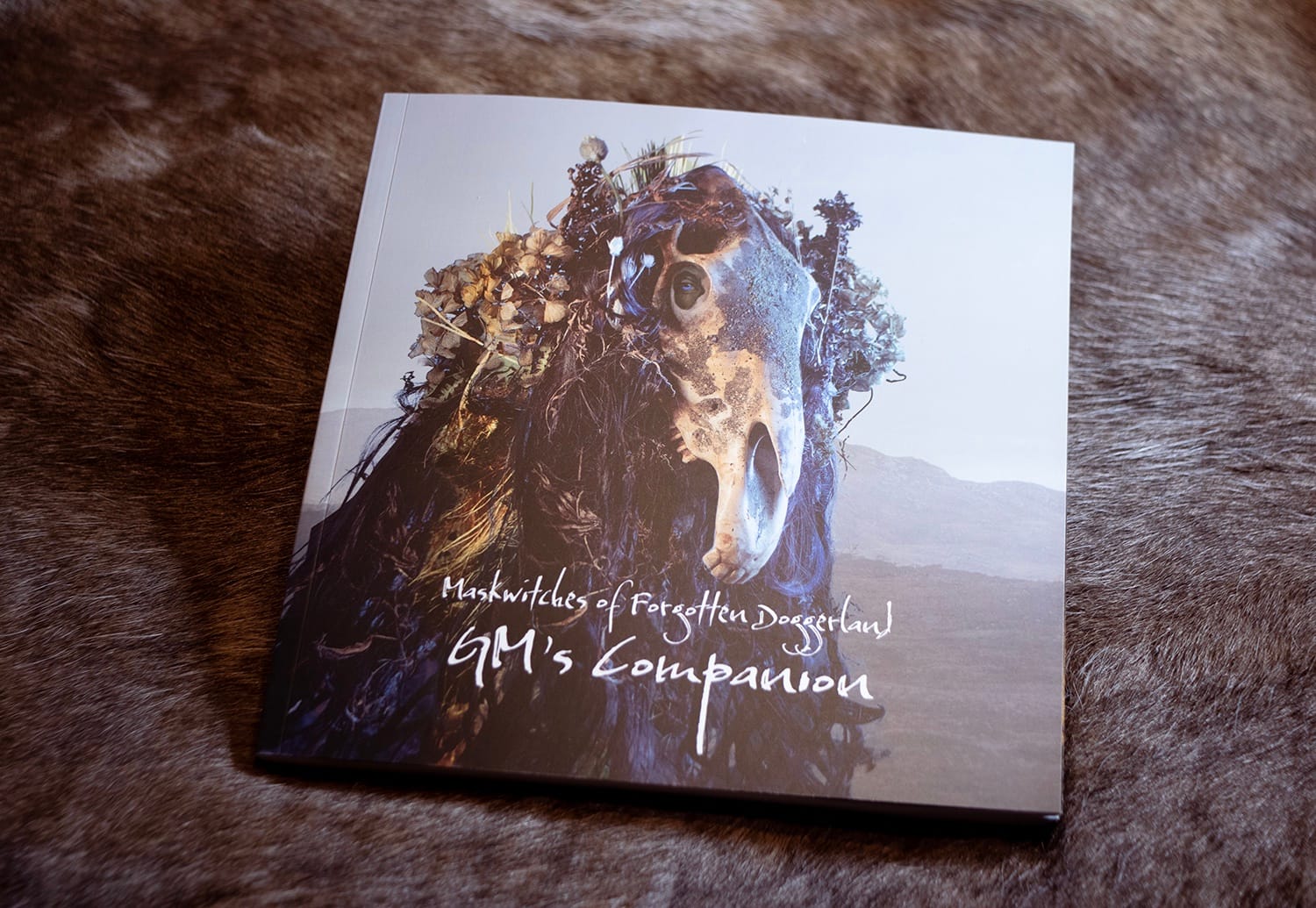
The Maskwitches GM's Companion is out now in PDF, and preorders are being sent out right now.